
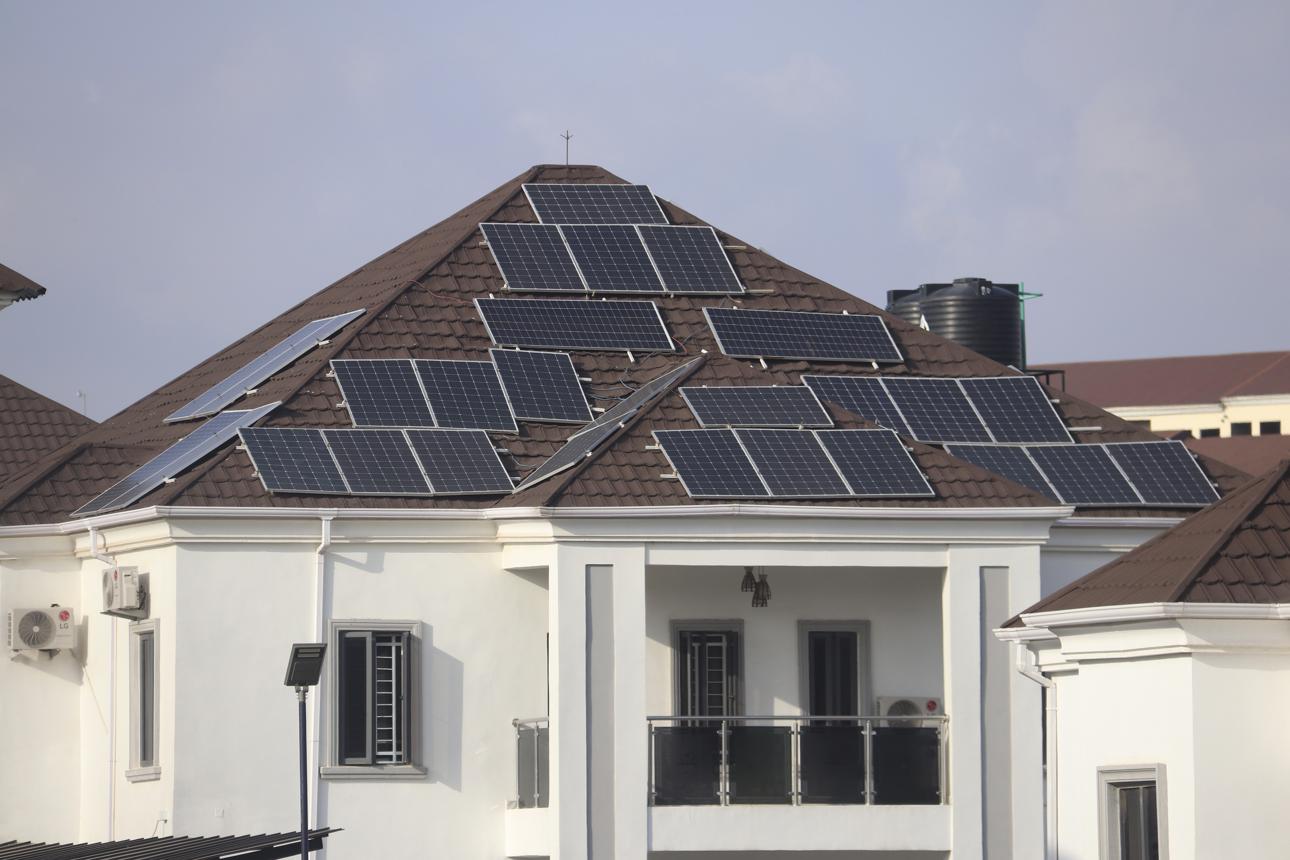
NEPA vs Solar: How Much Can You Really Save in One Month?
While the upfront investment is higher, solar can significantly reduce your monthly energy expenses and provide reliable electricity during grid outages.
Typical Monthly Electricity Costs
The table below shows an illustrative comparison for a home consuming 300–600 kWh per month. Actual costs vary depending on your electricity tariff band, location, and energy usage.
| Power Source | Typical Monthly Cost |
|---|---|
| NEPA/Grid Electricity | ₦50,000–₦120,000+ |
| Petrol Generator | ₦80,000–₦250,000+ (fuel only) |
| Solar Power System | ₦0–₦10,000 (mainly maintenance and occasional grid charging) |
If your solar system is properly sized and receives good sunlight, your monthly electricity bill can be reduced by 70–100% for many households.
Example Savings
Imagine a family currently spends:
- Grid electricity: ₦75,000/month
- Generator fuel: ₦60,000/month
Total monthly energy cost: ₦135,000
After installing a properly sized solar system:
- Grid electricity: ₦10,000/month
- Generator fuel: ₦0–₦5,000/month
New monthly energy cost: ₦10,000–₦15,000
Estimated monthly savings: ₦120,000–₦125,000
What Determines Your Savings?
Your actual savings depend on:
- The number and type of appliances you use.
- Your daily energy consumption (kWh).
- The size of your solar panels and battery bank.
- The capacity of your inverter.
- Your local solar irradiation (hours of usable sunshine).
- Whether you still rely on the grid or a generator.
Choosing the Right Solar System
| Home Size | Suggested System |
|---|---|
| Small apartment | 1–2 kVA inverter, 1–2 kWh battery, 800–1,200 W solar panels |
| 2–3 bedroom home | 3–5 kVA inverter, 5–10 kWh battery, 2–4 kW solar panels |
| Large home | 5–10 kVA inverter, 10–20 kWh battery, 4–8 kW solar panels |
Is Solar Worth It?
For many Nigerian homes and businesses, the answer is yes, especially if you experience frequent power outages or spend heavily on generator fuel. A well-designed solar system can:
- Reduce electricity bills.
- Eliminate most generator fuel expenses.
- Provide quiet, uninterrupted power.
- Protect sensitive electronics from power fluctuations.
- Increase energy independence.
Although the initial installation cost is substantial, many systems recover their cost over several years through reduced electricity and fuel expenses. The exact payback period depends on your energy usage, equipment quality, and local electricity costs.